LinkedIn engagement pods promise more visibility by exchanging likes and comments.
They’ve been around for years and are still used by creators, job seekers, and marketers trying to boost reach.
But LinkedIn doesn’t work that way anymore.
In 2026, visibility depends far more on who interacts with your content than on how many people do.
Coordinated engagement may create activity, but it often fails to drive impressions, profile views, or real conversations.
This guide breaks down:
- What engagement pods actually do
- What can go wrong when you rely on them
- Safer alternative increases visibility without risking long-term growth
What is a LinkedIn Engagement Pod?
A LinkedIn engagement pod is a group of people who agree to like and comment on each other’s posts to increase early engagement and visibility.
The idea is simple: early likes and comments can make a post look active, which may help it get more reach.
Here’s how engagement pods usually work:
You publish a post → share the link in a pod → 10–20 members like and comment → you’re expected to return the favor on their posts.
This is why people use pods: they help avoid low early engagement.
The issue is that this engagement is coordinated, often repetitive, and usually comes from people who are not part of your target audience.
What Can Go Wrong With LinkedIn Engagement Pods in 2026
1. Likes don’t turn into impressions (reach stalls early)
Getting likes from an engagement pod doesn’t automatically mean your post will reach more people.
On LinkedIn today, visibility depends more on who engages with a post than on how many people do.
When early engagement comes from the same small group (often people outside your niche), the post usually stops circulating quickly.
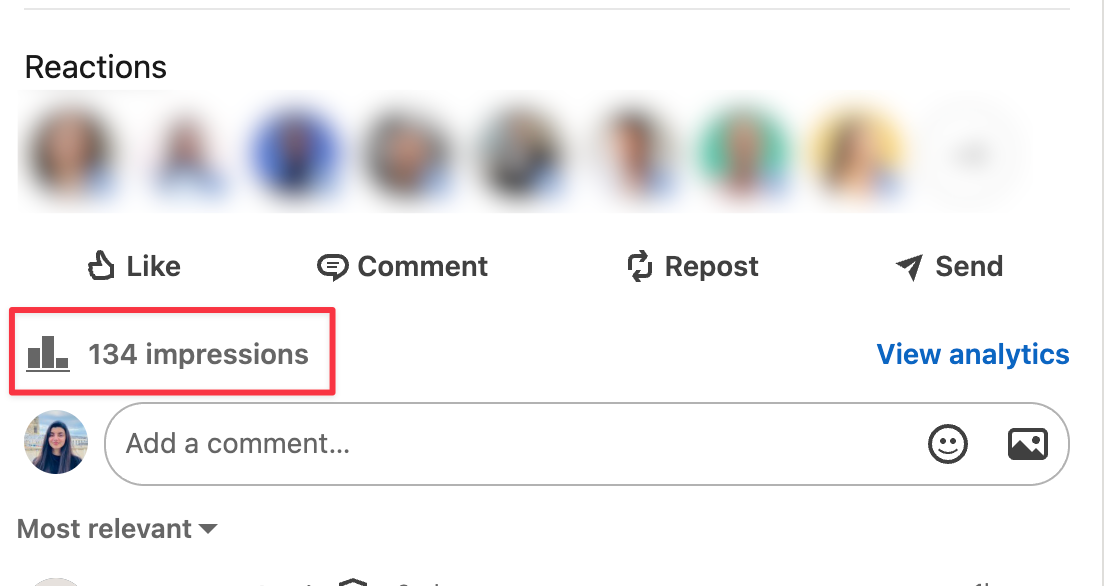
This is why many pod-driven posts end up with:
- Visible reactions
- but very limited overall impressions
As the example above shows, the post received engagement but didn’t travel beyond a small audience.
2. High engagement, but almost no profile activity
One of the biggest issues with engagement pods is that they inflate surface metrics without driving real interest.
You may get a few likes or comments, but that activity rarely translates into meaningful actions.
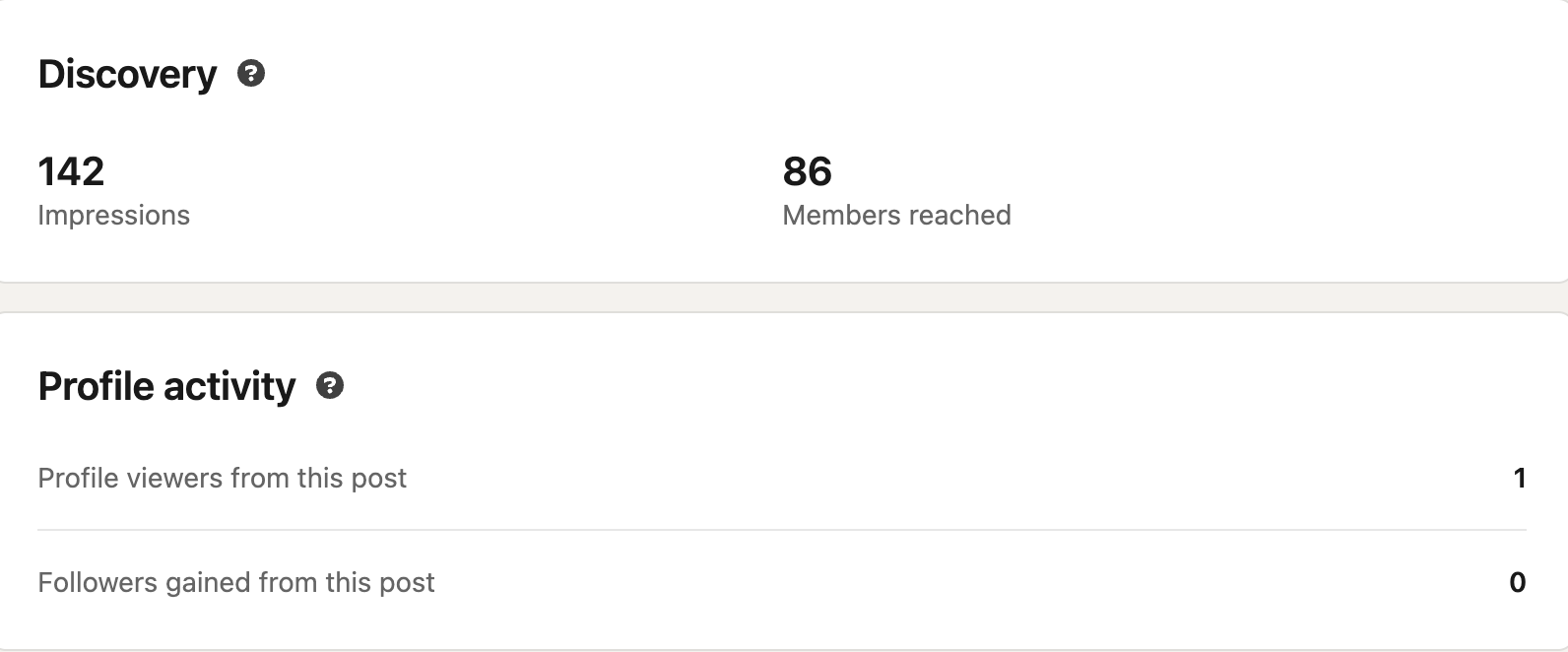
In many cases:
- Profile views stay low
- Followers don’t increase
That’s a strong signal that the people interacting with the post aren’t actually interested in the topic—or the person behind it.
3. Low-quality or generic comments
Comments like “Great post” or “Interesting take” don’t add context or start real conversations.
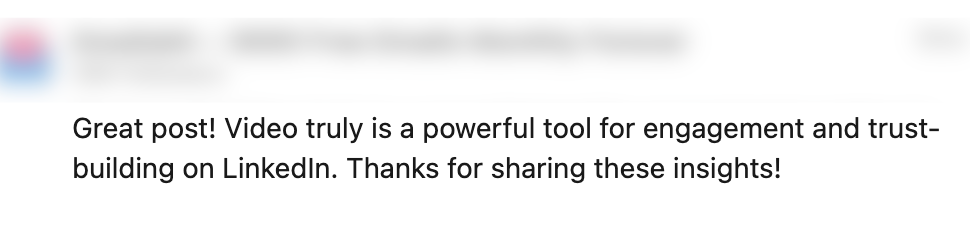
Over time, this creates a pattern where:
- Posts look busy
- Discussions feel shallow
- Real readers are less likely to jump in
When engagement feels forced or repetitive, trust drops and so does meaningful interaction.
4. Repetitive engagement limits distribution
LinkedIn tracks engagement behavior over time.
When the same accounts repeatedly like and comment on your posts, the pattern becomes predictable.
Instead of expanding reach, the algorithm often:
- Limits further testing
- Shows the post to fewer new people
- Prioritizes content with more diverse engagement
This doesn’t always trigger penalties, but it does slow long-term growth.
5. Poor long-term growth
Engagement pods don’t help you build a real audience.
When you stop using them, engagement often drops sharply, because it was never driven by genuine interest in your content.
That makes growth fragile and difficult to sustain.
AI-Based LinkedIn Visibility: A Modern Alternative to Engagement Pods
AI visibility tools take a different approach to LinkedIn growth.
Instead of exchanging likes or comments, they focus on distributing posts to more relevant audiences from the start.
Podawaa is an AI-powered LinkedIn visibility tool that helps distribute posts based on language, content, and audience signals (not coordinated engagement).
There are no engagement groups to join, no actions to return, and no manual interaction exchanges.
You can control targeting yourself or let AI handle it automatically.
And if you simply want to get more LinkedIn likes on a specific post, you can boost it directly with real engagement — no pod required.
Here’s what that approach changes in practice:
1. Higher-quality impressions
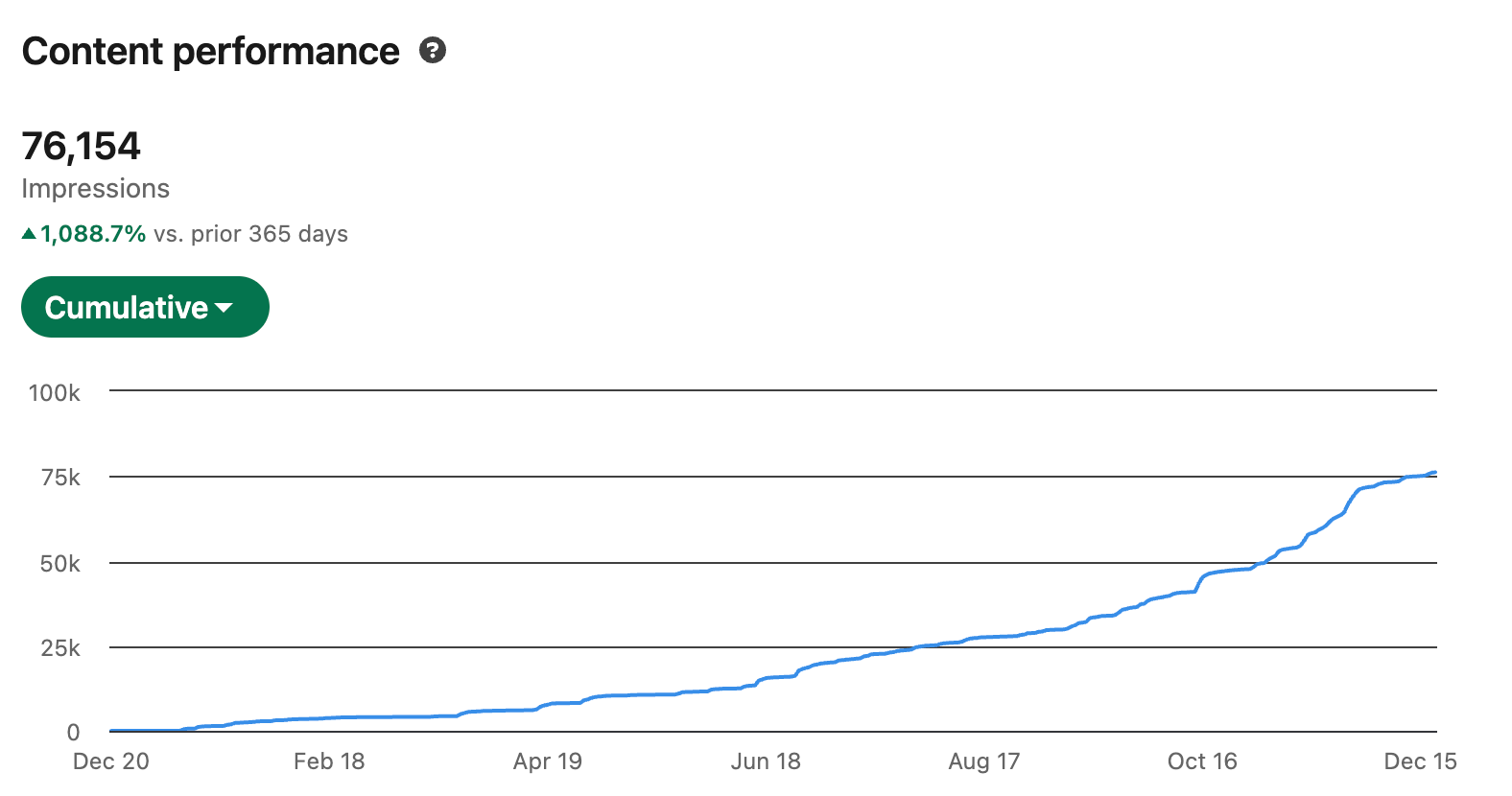
When visibility comes from relevant distribution instead of coordinated engagement, impressions tend to grow more steadily over time.
Posts don’t rely on the same small group of people interacting early, so reach isn’t artificially capped.
Here’s what LinkedIn impressions can look like when distribution is consistent and audience-matched.
2. Profile views from people in your niche
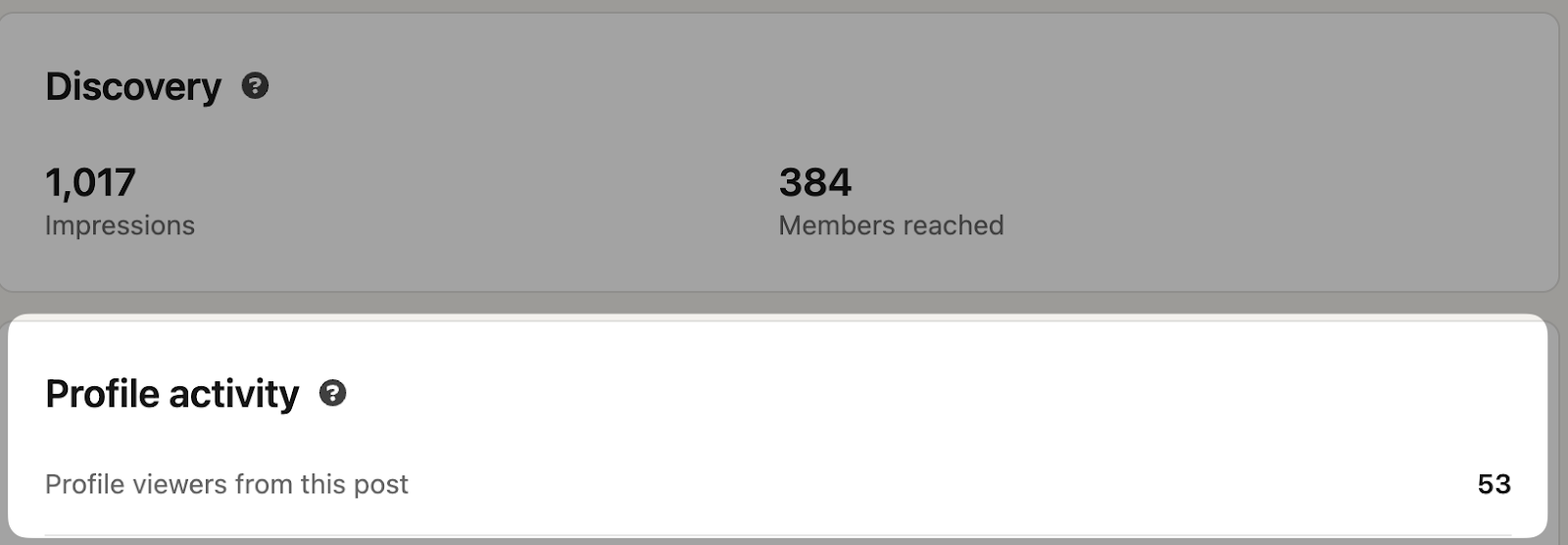
When content reaches the right audience, more viewers click through to your profile.
These aren’t random visits, they come from people already interested in the topic.
This example shows profile views generated per post when content is distributed to a relevant audience.
3. Meaningful comments and DMs
Because engagement isn’t forced, comments tend to be more specific and relevant.
Conversations are more likely to continue beyond the post itself, often leading to inbound messages related to your work or content.
4. Wider reach over time (including breakout posts)
When posts perform well with a relevant audience, LinkedIn is more likely to continue testing them beyond your immediate network.
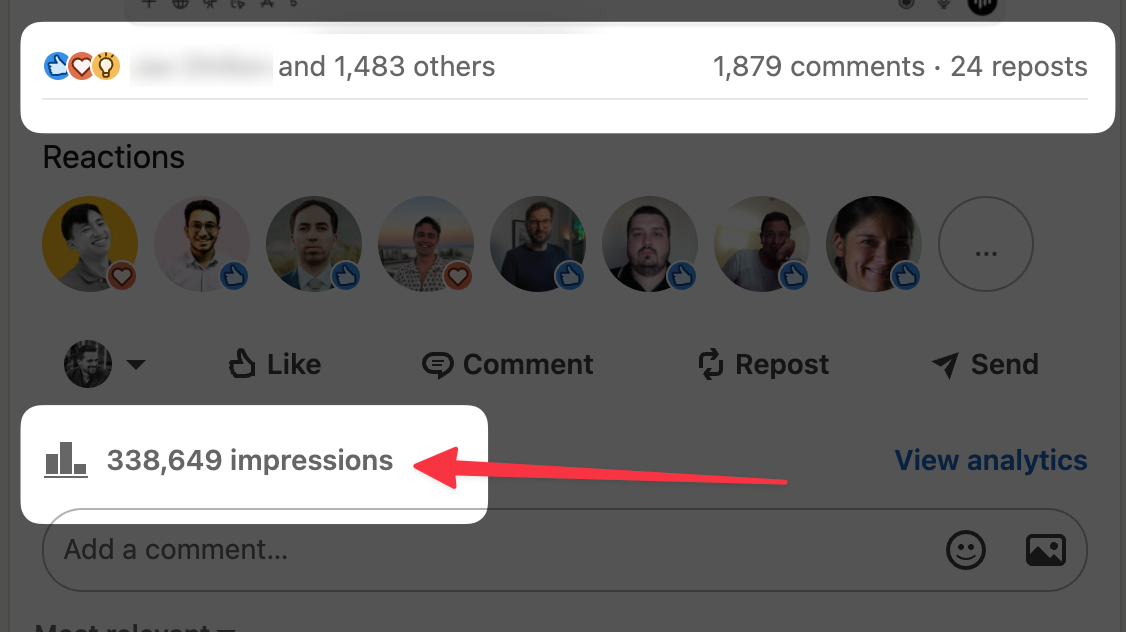
Over time, this can result in posts breaking out to much larger audiences.
In this example, consistent distribution helped a post reach well beyond the creator’s immediate network.
The difference is simple:
→ Engagement pods try to manufacture activity.
→ AI-based distribution focuses on relevance and reach from the start.
Podawaa also supports X (Twitter), using the same AI-based distribution approach to help content reach more relevant audiences.
💡 With Podawaa, you can generate original LinkedIn post ideas, schedule them and boost visibility by targeting the right audience.
Try Podawaa for free →