Posting too often on LinkedIn doesn't directly hurt your reach. What hurts it is posting more than your audience can meaningfully engage with which quietly reduces how far your posts reach over time.
Most creators worry about posting too much. The data suggests the opposite problem is far more common.
Only about 1% of LinkedIn users post consistently. The real risk for most creators isn't frequency, it's inconsistency, or sacrificing content quality just to stay active.
LinkedIn's algorithm learns from your posting history. The more consistent you are, the more accurately it can predict who your content is for and who else should see it. Post three times a week for three months and LinkedIn builds a reliable picture of your audience. Post daily for two weeks and then stop, and that picture never forms.
In short: Posting often with strong content is fine. Posting often with weak content trains the algorithm to distribute you less. Consistency matters more than volume, and quality determines whether your frequency works for you or against you.
What "Posting Too Often" Actually Means on LinkedIn
Posting too often means publishing more posts than your audience can engage with in a given window.
What LinkedIn penalizes is weak engagement signals. When you post too frequently, your audience's attention splits across too many posts.
Instead of one post getting strong early engagement, three posts share the same limited attention and each one gets a weaker signal as a result. LinkedIn reads those weak signals and distributes each post to fewer people.
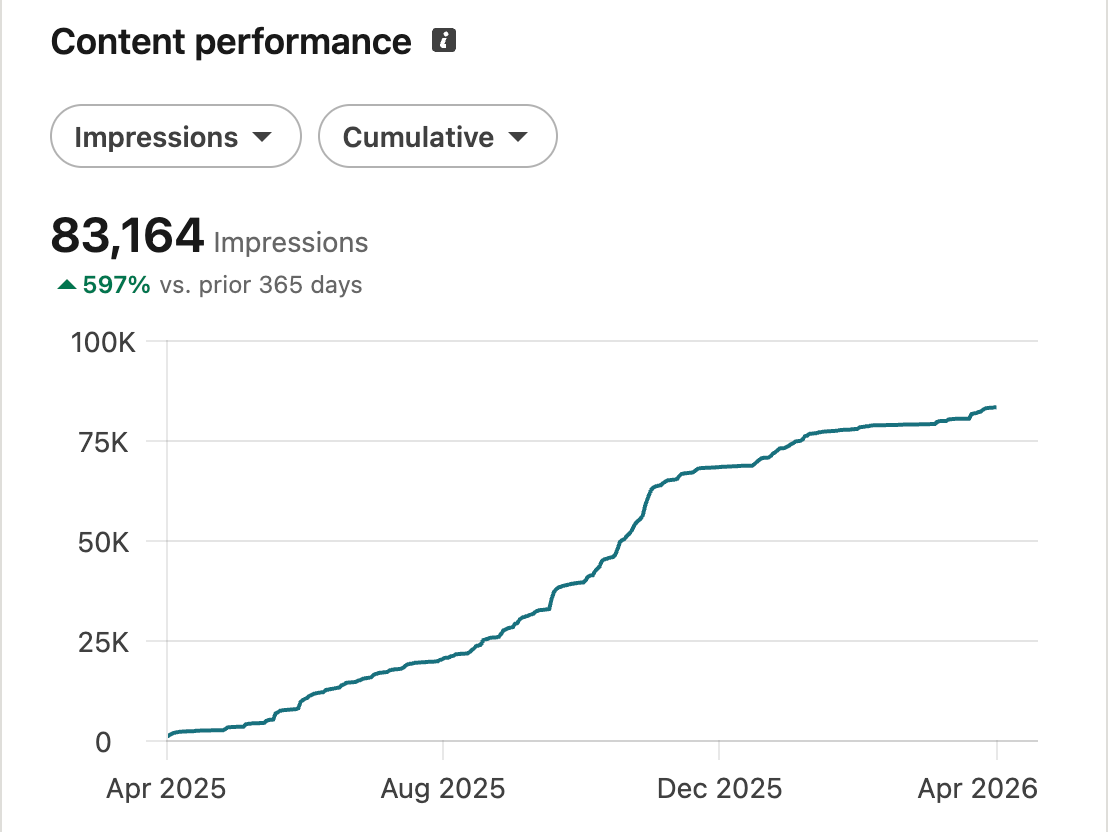
The LinkedIn impressions case study shows this clearly. Accounts that increased posting frequency without improving content quality consistently show a drop in per-post impressions, even when total post volume goes up. More posts, less reach per post, same or lower total reach.
The problem isn't how often you post. It's whether each post earns the early engagement signals that tell LinkedIn it's worth distributing. Our guide on why your LinkedIn posts get no reach covers what those signals are and why they matter.
Why Consistency Beats Frequency on LinkedIn
Consistency produces better reach than frequency because LinkedIn rewards predictable engagement patterns, not posting volume.
An account posting twice a week every week for six months gives LinkedIn enough data to build an accurate model of who your audience is and what your content is about. That model makes distribution decisions more confident.
An account posting daily for three weeks then going quiet creates noise in the data. LinkedIn becomes less certain about who to show your next post to.
This is also why you don't need to burn through original ideas to stay consistent. The same topic approached from a different angle, a sharper hook, or a more specific example is a completely different post. Repurposing LinkedIn posts covers how to turn one strong idea into multiple posts without repeating yourself.
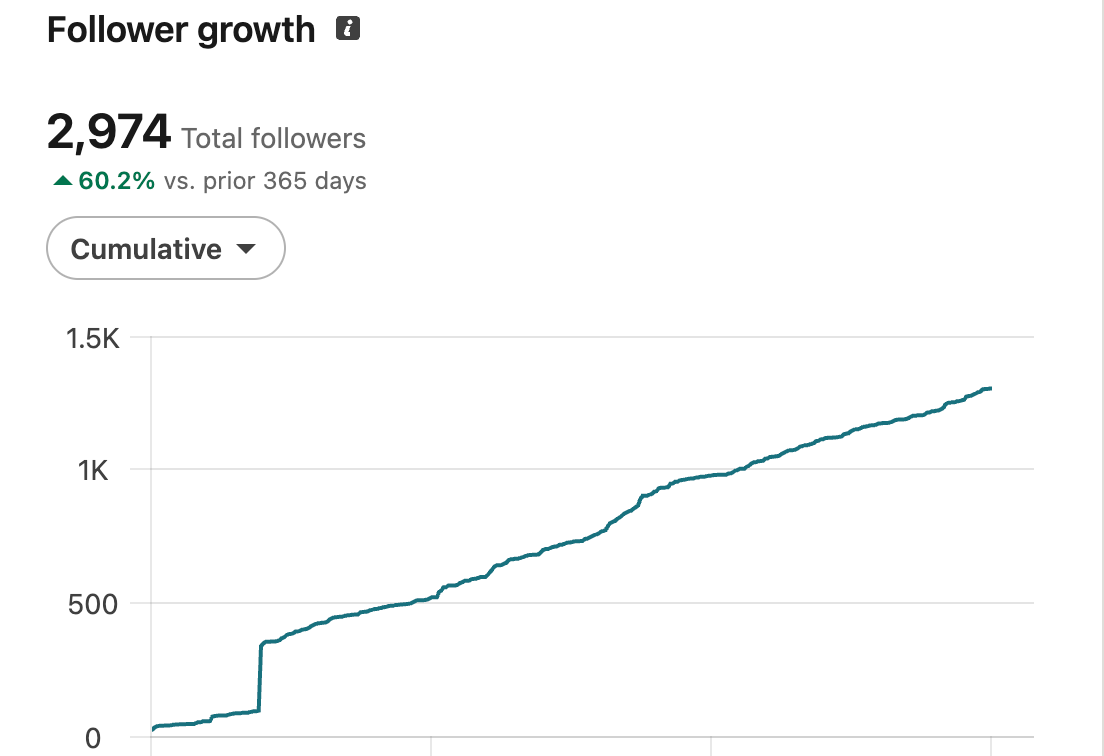
Our LinkedIn follower growth case study shows what sustained, consistent engagement actually produces over time compared to high-frequency, low-engagement posting.
Does Your Content Quality Match Your Posting Frequency?
The right posting frequency is the one your content quality can sustain. Not a fixed number.
If you consistently produce posts that generate comments and shares at a given frequency, you have headroom to increase. If you're filling a schedule with posts that get weak early engagement, the volume is working against you.
For specific frequency recommendations by goal and audience type, our how often to post on LinkedIn guide covers that in detail. This article focuses on what happens to your reach when you exceed the right frequency for your account.
Before publishing, Podawaa's Post Generator scores your content for viral potential on a 0 to 100 scale. If your scores are consistently low, you're not posting too often. The fix isn't to post less. It's to write better before you publish.
The AI generator helps you develop a real angle from any topic, and the "Polish it" feature sharpens the hook before the post goes live.

Your audience's engagement capacity is the second variable to watch. Not all professional communities engage at the same rate. A content marketing audience is naturally more active on LinkedIn than a manufacturing or logistics audience.
Watch engagement rate per post over time, not total engagement. If it holds as you increase frequency, your audience can keep up. If it drops, you've exceeded their capacity. Our article on what is a good LinkedIn engagement rate gives real benchmarks by account size.
How to Stay Active on LinkedIn Without Publishing Every Day
Staying active on LinkedIn doesn't require publishing a new post every day. Commenting is one of the most underused reach strategies available.
When a post goes viral in your niche, a well-placedcomment gets seen by thousands of people who don't follow you. That's real reach without publishing anything. Our guide on how to comment professionally on LinkedIn covers how to do this in a way that builds your reputation rather than adding noise.
Resharing content with your own perspective also keeps you visible without competing with your original posts for the same audience's attention.
And when you feel like you're running out of ideas, think in angles. The same topic with a better hook, a counterintuitive take, or a more specific example is a completely new post. You won't run out of things to say, you'll run out of ways to say the same thing, which is a different problem with a simple fix.
How to Find Your Right Posting Frequency
Your right posting frequency is something you measure in your own data, not something you copy from a general recommendation.
Start with your last 30 days. Sort posts by engagement rate, not total likes. Did engagement rate drop in weeks where you posted more? Did your best posts come from lower-frequency weeks?
That data tells you where your ceiling is. Test one change at a time. For example, drop from daily posts to five times a week and hold it for three weeks. Check whether engagement rate per post improves. Then adjust.
If you use an engagement tool, give each post enough space. At Podawaa, creators who space posts at least 24 to 48 hours apart consistently get stronger results per post than those who overlap too closely. Each post needs its own first-hour window to complete its distribution cycle.
If you want to understand exactly why that window matters, we cover it in detail in are LinkedIn pods safe and can LinkedIn detect engagement pods.
Podawaa lets you write the post, check the Viral Potential score, schedule it at the right time, preview how it looks, and set up smart audience targeting, all before it goes live. You're not guessing whether the post is ready or whether the timing is right.
Track three LinkedIn metrics during any frequency test: impressions per post, engagement rate per post, and first-hour engagement. If all three improve when you reduce frequency, you've found your ceiling.
Key Takeaways
- Posting too often doesn't hurt reach directly. Posting more than your audience can engage with does
- Only about 1% of LinkedIn users post consistently. Consistency matters far more than volume
- LinkedIn evaluates engagement quality per post, not posting frequency
- Commenting on viral posts in your niche builds reach without competing with your own content
- Check Viral Potential before publishing, a weak post at high frequency erodes your distribution signal faster than anything else
- Give each post enough space, especially when using engagement tools — at least 24 to 48 hours between posts
- The right frequency is the one your content quality and audience engagement capacity can sustain
Post less. Write better. Check the score before you publish. Try Podawaa's Post Generator
Frequently Asked Questions
How do I know if my posting frequency is hurting my reach?
Check your engagement rate per post over the last 30 days sorted by performance, not by date. If your best-performing posts consistently come from lower-frequency weeks, your frequency is exceeding your audience's engagement capacity. The clearest signal is engagement rate dropping as post volume goes up.
What's the minimum posting frequency to maintain LinkedIn reach?
Posting less than once a week tends to weaken the engagement pattern LinkedIn uses to model your audience. Gaps of more than a week mean the algorithm has less recent data when deciding how to distribute your next post. Consistency matters more than volume — one post a week published reliably outperforms five posts published irregularly.
Does LinkedIn favor accounts that post more?
No. LinkedIn prioritizes content relevance and engagement quality over posting volume. An account posting twice a week with high engagement per post will consistently outreach an account posting daily with low engagement.
I'm running out of content ideas. What should I do?
You're not running out of ideas, you're running out of angles. The same topic approached differently, with a better hook or a more specific example, is a new post. Repurposing LinkedIn posts covers how to stay consistent without starting from scratch every time.